What it takes off your plate
Native Operator takes the after-hours admin off your plate, starting with whichever of these eats the most of your evenings.
- Receipts and books
- Every purchase filed, matched to its card charge and booked in QuickBooks.
- Listings
- A few photos and a line of notes become a researched, priced listing that waits for your yes.
- Social
- Posts drafted and queued for your review instead of written at 10 pm.
- Email and messages
- Anything that needs a reply lands on your task list.
- Numbers
- Sales, site traffic and social results in one dashboard each morning.
One purchase, start to finish
The night shift is half of it. During the day the same agents pick up whatever we hand them, as it happens.
-
boughtPaid for
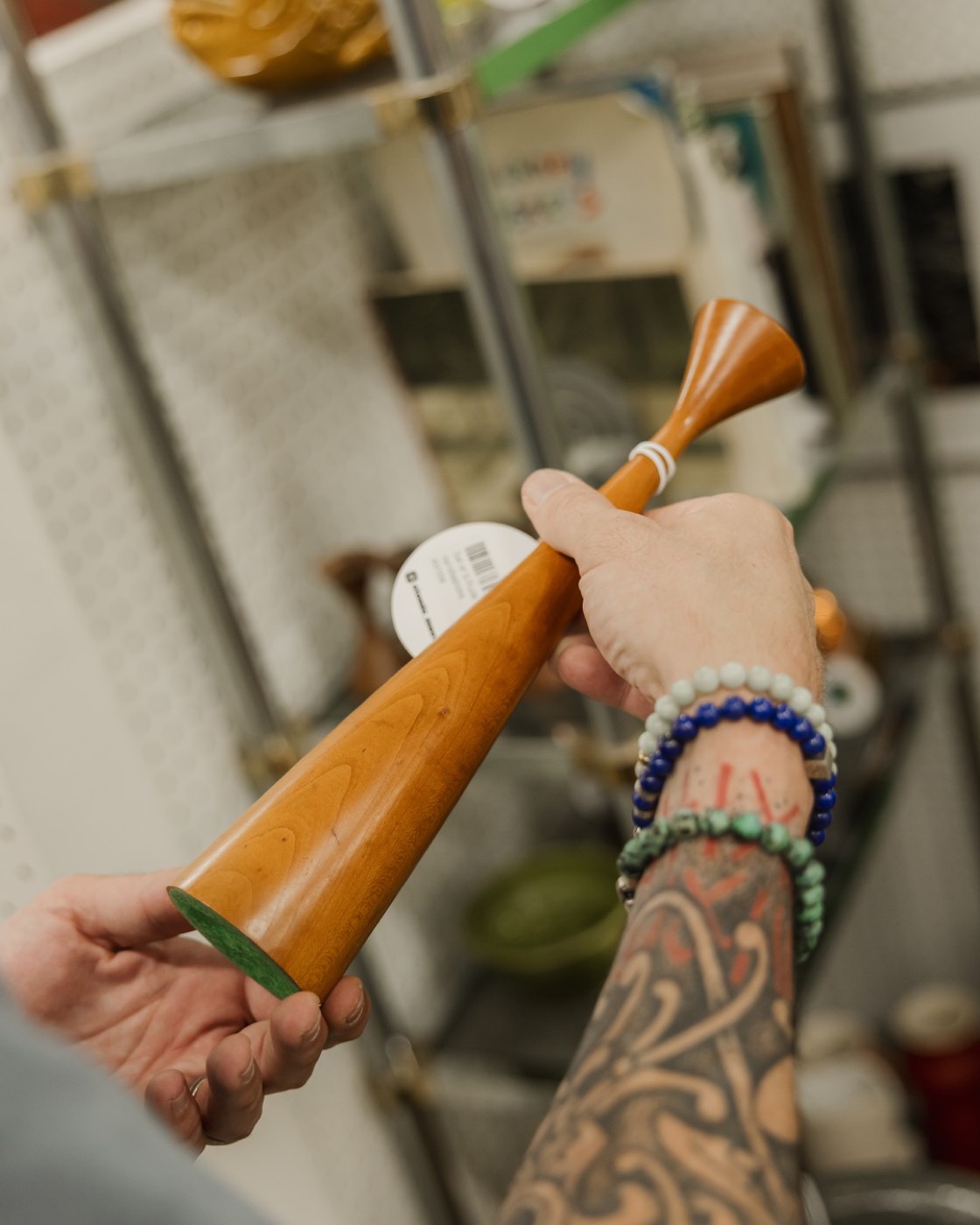
Anne buys a lot of five Bakelite clips on ShopGoodwill and posts the receipt in Slack from her phone. That is the only thing she does.
-
+ 1 hourRecorded
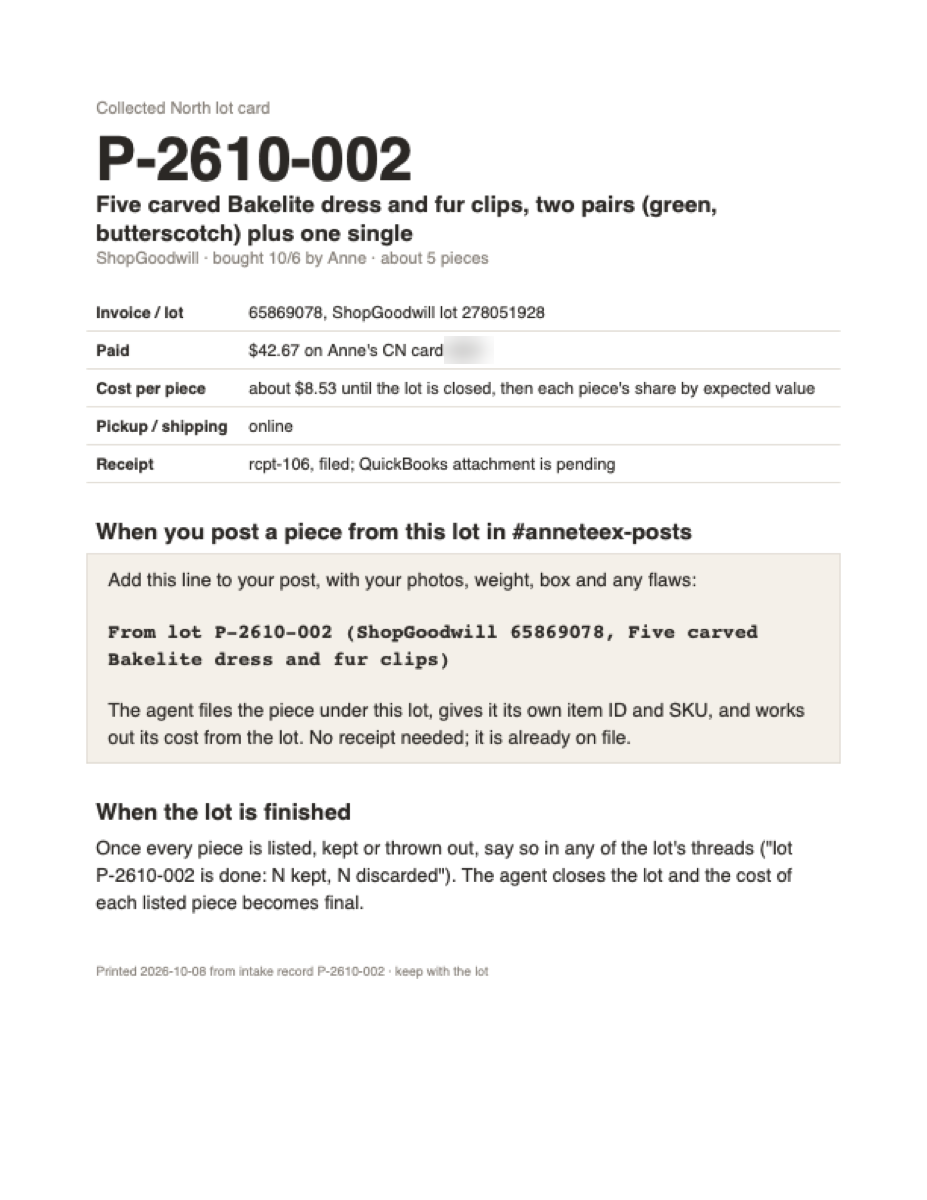
The lot is in our inventory with an ID and a cost for each piece, the receipt is filed for QuickBooks, and a lot card prints so it can travel in the box.
-
listing dayListed
A few photos and a line about a piece become a listing: researched, priced against what similar pieces sold for, and held until one of us says yes.
-
same dayPosted
The approved listing comes with its Instagram posts drafted and waiting for review, so nobody sits down at 10 pm to write captions.

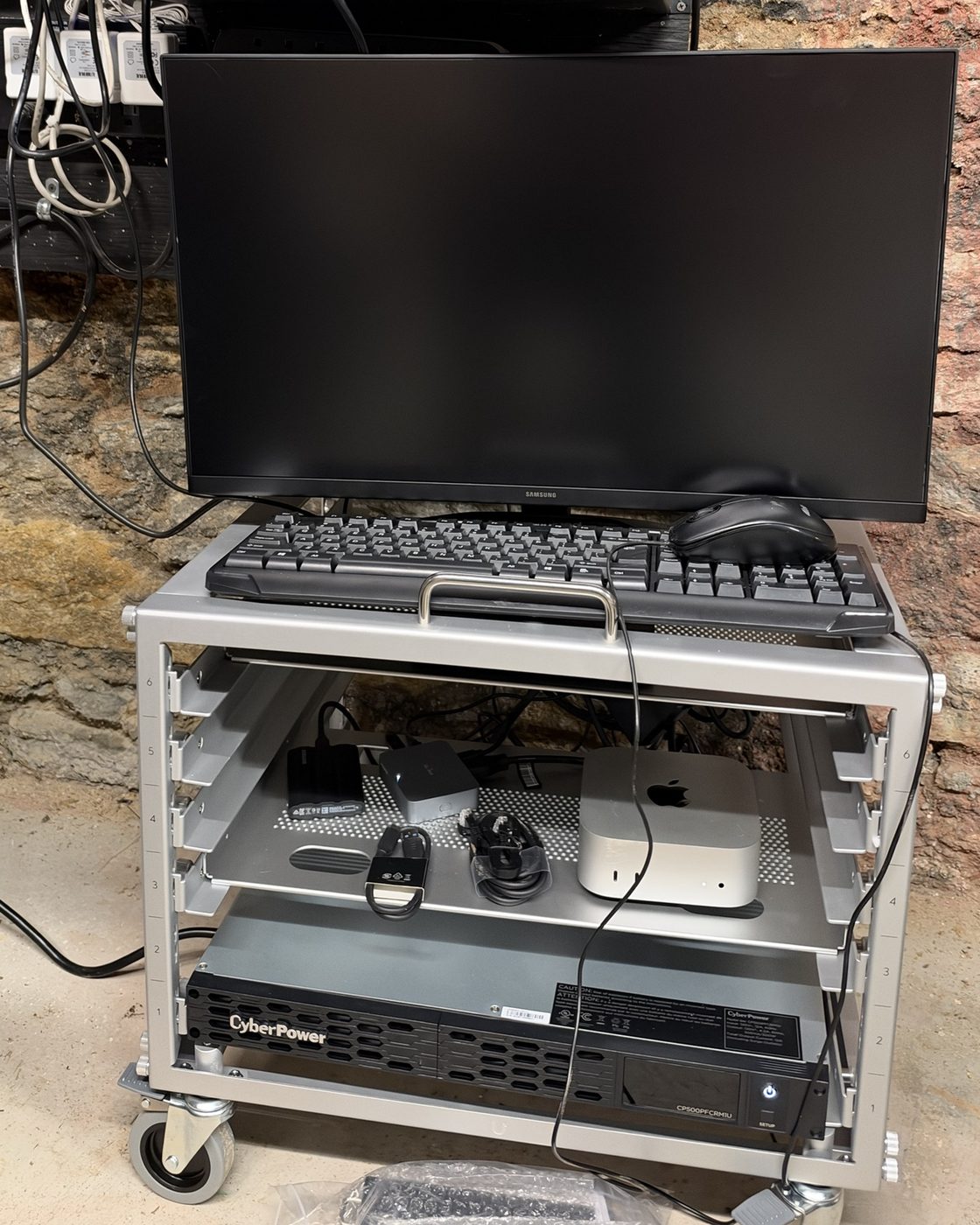
Yes, that's a Mac mini in my basement
Collected North's agents run on a small Mac in a rack next to my network gear. It is scrappy on purpose.
I test every agent on my own business first, where a bad night costs me and not a client. When I set yours up, most of it runs in the cloud on accounts you own, and it has already been through its mistakes on mine.
Who I'm building this for
I'm building it for small businesses where two or three people do everything, whether that's a shop, a studio, a practice or a trade. In those businesses the work customers see gets done in the day, and the evenings go to receipts, listings and the email that never got sent.
It is a small market. I think it is also the one that stands to gain the most, because a few hours back each week is a much bigger share of a small business than a large one.
I would start with one job, usually the receipts and the books, and add the rest once it has earned your trust.

Starting small
We talk through where your week goes. You run the first agents for a few weeks and see what they did and whether they saved more than they cost to run. If it is worth keeping, it moves to a monthly plan and I keep it running as the business changes.
- On tools I already run
- Scheduling, social and email run on accounts I operate, with the usage billed through to you. It is the quickest way to start.
- In your own accounts
- Everything lives with you. I set it up and keep it running, or hand it over with written guides if you would rather own it yourself.
Why I'm doing this
Bigger companies have always been able to hand off the paperwork. They hire people to close the books and keep the inventory straight, and they build systems so the follow-up gets sent without anyone having to remember it. For more than 20 years I helped them do that, which means I spent most of my career handing that advantage to the companies that already had the most of it. Now AI puts the same kind of automation within reach of a business with two or three people in it. I want to build it for the people who love what they do and have their livelihoods on the line. They're my people.
Book a call
Tell me about your business and I will reply within a day. The first call is free, and if you are in Cincinnati I am happy to meet in person.

Chris St. Pierre, Native Operator